The Strategic Advantage of Using Logo Mockup 3d Gradient Psd in Modern Brand Presentation
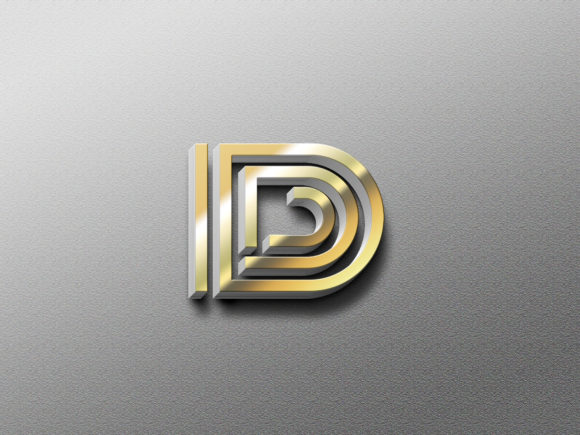
In the contemporary digital landscape, first impressions are not just formed; they are rendered. For professionals, creators, and entrepreneurs, the visual representation of a brand is often the primary touchpoint between identity and audience. It is no longer sufficient to simply have a well-designed logo; that logo must be presented in a context that conveys quality, depth, and professionalism. This is where the integration of high-fidelity visual assets becomes critical. Among the most effective tools for achieving this level of polish is the Logo Mockup 3d Gradient Psd, a resource designed to bridge the gap between flat design files and realistic, market-ready presentations.
The evolution of graphic design workflows has shifted from static deliverables to dynamic storytelling. Clients and stakeholders rarely view a logo in isolation anymore. They expect to see it on business cards, mobile devices, signage, and merchandise. The ability to visualize these applications instantly can mean the difference between securing a contract and losing it to a competitor. By utilizing a Logo Mockup 3d Gradient Psd, designers can automate the complex process of rendering shadows, lighting, and textures, allowing them to focus on the strategic impact of their designs rather than the technical minutiae of Photoshop layering.
Bridging the Gap Between Digital Design and Physical Reality
One of the most persistent challenges in the creative industry is translating a two-dimensional vector or raster file into a three-dimensional perception of reality. Traditional methods required extensive manual manipulation of layer masks, blend modes, and displacement maps. Even experienced designers could spend hours perfecting the way light hit a surface or how a shadow fell across a texture. The introduction of smart object technology within PSD files has revolutionized this workflow. With a Logo Mockup 3d Gradient Psd, the complexity is abstracted away. Users can simply drag and drop their artwork, and the software handles the geometric warping, lighting adjustments, and shadow casting automatically.
This automation does more than save time; it ensures consistency. In an era where brand coherence is paramount, having a tool that guarantees accurate lighting and perspective every time is invaluable. The "3D gradient" aspect specifically addresses modern aesthetic trends that favor depth and dimensionality over flat, minimalist designs. As consumer attention spans shorten, visually rich environments capture interest more effectively. A mockup that presents a logo with realistic gradients and shadows stands out against the backdrop of generic, flat templates that saturate many online portfolios.
Streamlining Workflows for Freelancers and Agencies
For freelancers and small agencies, efficiency is directly correlated with profitability. Every hour spent manually adjusting a mockup is an hour not spent on client acquisition or new project development. The features embedded in a high-quality Logo Mockup 3d Gradient Psd are engineered to reduce friction in the design process. Key characteristics such as being fully layered, well-organized in folders, and requiring no special skills beyond basic replacement make it accessible to a broad spectrum of users.
- Smart Object Replacement: This feature allows for non-destructive editing. Designers can swap out logos, text, or color schemes without altering the underlying structure of the mockup. This flexibility is crucial when presenting multiple concepts to a single client.
- High-Quality Realism: At 3600 x 2400 pixels and 300 DPI, the resolution is sufficient for both web display and high-resolution print materials. This dual-purpose capability means that a single asset can serve both digital marketing campaigns and physical collateral needs.
- Organized Layer Structure: A common pain point in using third-party assets is messy layer stacks that hinder further customization. A professionally crafted PSD ensures that layers are grouped logically, allowing designers to tweak specific elements if needed without breaking the overall composition.
By removing the technical barriers to entry, these mockups democratize high-end presentation. A junior designer can produce a portfolio piece that looks like it was created by a senior art director, provided they use the right tools. This leveling of the playing field empowers emerging talent to compete on quality alone, rather than relying solely on years of experience.
Aligning with Current Market and Consumer Trends
The relevance of using advanced mockups extends beyond mere convenience; it aligns with broader shifts in consumer behavior and market expectations. Today’s consumers are visually literate. They are accustomed to the hyper-realistic imagery found in e-commerce platforms, social media advertisements, and premium branding. When a brand presents its logo in a flat, uncontextualized manner, it risks appearing outdated or amateurish. Conversely, a presentation that utilizes realistic lighting and textures signals attention to detail and investment in quality.
Furthermore, the rise of remote work and global collaboration has changed how design proposals are delivered. Presentations are increasingly digital, shared via email, Slack, or cloud-based review platforms. In these contexts, the visual impact of a thumbnail or a preview image is critical. A Logo Mockup 3d Gradient Psd creates a compelling visual hook that encourages stakeholders to open the full presentation. The gradient effects add a layer of sophistication that resonates with modern aesthetic preferences, which lean towards vibrant, dynamic, and immersive visual experiences.
Additionally, the sustainability trend in business encourages efficiency. By reducing the time spent on repetitive tasks like rendering mockups, professionals can allocate more resources to sustainable practices, such as thoughtful material selection for physical products or optimizing digital ad spend. The efficiency gained from using automated, high-quality PSD files contributes to a leaner, more responsive business model.
Practical Applications Across Industries
The utility of a Logo Mockup 3d Gradient Psd transcends specific industries. Whether in tech, fashion, food and beverage, or corporate services, the need for clear, impactful brand visualization is universal. Consider a startup launching a new app. They need to show their icon on various device screens. A realistic mockup provides immediate context, helping investors understand the user interface environment. Similarly, a fashion brand launching a new line might use the mockup to showcase their logo on packaging or hangtags, giving retailers a tangible sense of the product’s premium feel.
Even in the realm of personal branding, such as for consultants or coaches, the application is significant. A professional headshot or business card design enhanced with a realistic mockup projects authority and trustworthiness. In a crowded marketplace, these subtle cues of professionalism can be the deciding factor for potential clients. The ease of use—simply replacing the logo without skill requirements—means that even those with limited design expertise can maintain a high standard of visual communication.
Maximizing Value Through Technical Precision
The technical specifications of the asset play a crucial role in its effectiveness. The inclusion of a JPEG alongside the PSD offers versatility in delivery. While the PSD allows for ongoing edits and customizations, the JPEG serves as a ready-to-use final output for quick sharing or embedding in websites. This dual-format approach caters to different stages of the workflow, from initial concept approval to final publication.
Moreover, the emphasis on "100% editable" content ensures that the asset remains valuable over time. Design trends evolve, and a brand may need to update its colors or typography. A rigid mockup would become obsolete quickly, but a fully layered, well-organized PSD can be adapted indefinitely. This longevity makes it a cost-effective investment, providing value far beyond the initial purchase or download. It transforms a simple template into a permanent component of a designer’s toolkit.
Conclusion: Elevating Professional Standards
In conclusion, the adoption of tools like the Logo Mockup 3d Gradient Psd is not merely about following a trend; it is about embracing a higher standard of professional practice. It reflects an understanding that presentation is an integral part of the product itself. For professionals, creators, and entrepreneurs, investing in high-quality, realistic, and easy-to-use mockup resources is an investment in their brand’s perceived value. By leveraging smart object technology and realistic rendering capabilities, designers can streamline their workflows, meet evolving consumer expectations, and communicate their brand stories with clarity and impact. In a world where visual communication is king, ensuring your logo looks its best in any context is a strategic imperative.