Elevate Your Visual Identity: Mastering the Sports 3D Text Effect in Modern Design
In the rapidly evolving landscape of digital content creation, visual hierarchy and impact are paramount. For professionals, creators, entrepreneurs, and marketers, the ability to command attention within milliseconds is not just a skill—it is a necessity. This is where specialized design assets, particularly the Sports 3D Text Effect, come into play as transformative tools. These effects are no longer mere novelties; they are strategic elements that bridge the gap between traditional athletic branding and modern digital aesthetics.
The demand for high-impact typography has surged as competition for user attention intensifies across social media platforms, streaming services, and e-commerce channels. A well-executed text effect does more than display information; it conveys energy, movement, and authority. By leveraging editable vector files and high-resolution outputs, designers can create bespoke visuals that resonate with audiences on a visceral level. This article explores the nuances of the Sports 3D Text Effect, its technical advantages, and its strategic application in contemporary business and creative workflows.
Understanding the Core Components of Sports 3D Typography
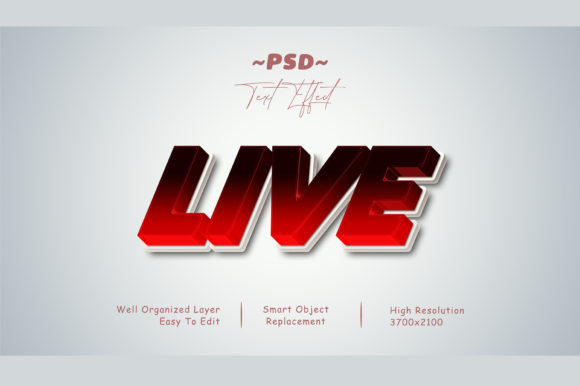
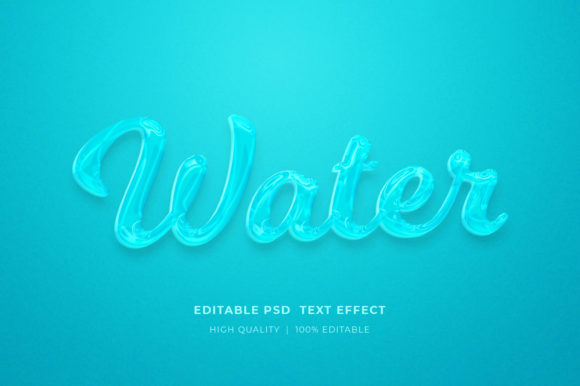
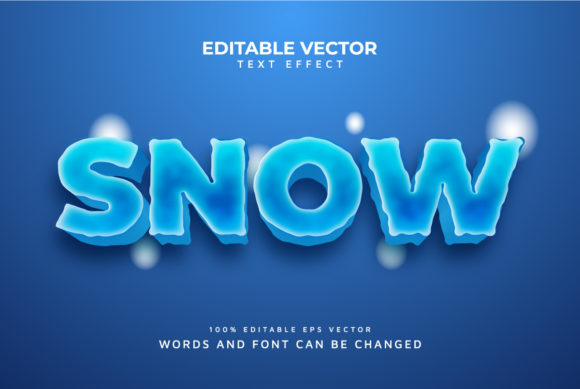
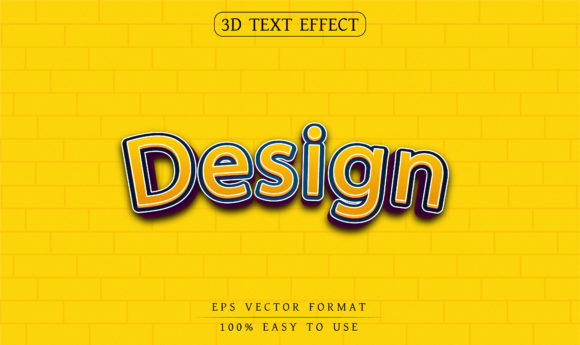
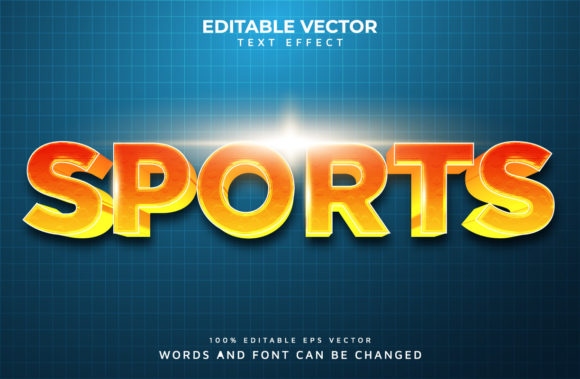
To appreciate the value of this design asset, one must first deconstruct what constitutes a premium Sports 3D Text Effect. Unlike basic flat text or simple drop-shadow filters found in standard software suites, a true 3D sports effect relies on depth, materiality, and dynamic lighting. It simulates physical objects—such as metallic plating, carbon fiber textures, or glossy plastics—that viewers associate with performance, durability, and speed.
The foundation of these assets lies in their vector nature. When we refer to an Editable 3D Vector Text Effect, we are discussing a file structure that allows for infinite scalability without loss of quality. This is critical for brands that need to transition seamlessly from mobile app icons to massive outdoor billboards. The vector paths define the geometry of the letters, while the 3D rendering engine (often applied via Photoshop smart objects or Illustrator extrusions) adds the volumetric presence.
- High Resolution: Premium assets are delivered at resolutions suitable for print and high-density displays (Retina/4K), ensuring crisp edges even when scaled up significantly.
- Free Font Used: Accessibility is key. Many top-tier templates utilize widely available, free-to-use fonts. This eliminates licensing headaches for freelancers and small businesses, allowing for immediate deployment without legal ambiguity.
- Easy To Edit: The workflow efficiency of these templates cannot be overstated. With non-destructive editing layers, a designer can change the color palette, adjust the lighting angle, or swap the texture in minutes rather than hours.
- Fully Customizable: Whether adjusting the bevel depth, changing the metallic sheen, or altering the background environment, the flexibility ensures the final output aligns perfectly with brand guidelines.
The Intersection of Technology and Creative Trends
The resurgence of 3D typography is not happening in a vacuum. It is part of a broader shift in user interface (UI) and user experience (UX) design, often referred to as "Spatial Design." As interfaces move toward augmented reality (AR) and virtual reality (VR) environments, flat 2D graphics are increasingly being supplemented by elements that possess depth and realism. The Sports 3D Text Effect serves as a precursor to this spatial future, training the eye to perceive text as tangible objects within a digital space.
Furthermore, this trend aligns with the "athleisure" lifestyle movement that has permeated fashion, technology, and corporate culture. Consumers now expect brands to embody vitality and dynamism. A static, serif font may convey tradition, but a bold, extruded 3D text effect communicates action and engagement. For fitness apps, esports teams, and sports apparel brands, this visual language is native. However, its utility extends beyond the sports industry. Tech startups use similar aggressive, geometric typography to signal innovation, while financial firms adopt sleek, metallic 3D effects to project stability and strength.
Why Professionals Are Prioritizing 3D Text Assets
The decision to integrate Sports 3D Text Effects into a design workflow is driven by practical outcomes. In an era where content consumption is fragmented, capturing interest requires immediate visual payoff. Here is why this specific aesthetic is gaining traction among industry leaders:
- Brand Differentiation: In crowded markets, generic templates fail to distinguish a brand. A customizable 3D text effect allows for unique color grading and texture application, creating a proprietary look that competitors cannot easily replicate.
- Enhanced Engagement Metrics: Data consistently shows that visually complex and high-contrast images generate higher click-through rates. The interplay of light and shadow in 3D text creates focal points that guide the viewer’s eye directly to the message.
- Workflow Efficiency: For agencies managing multiple client projects, time is money. Pre-made, editable vector templates reduce production time by up to 70%, allowing teams to focus on strategy and copywriting rather than manual pixel-pushing.
Practical Applications Across Industries
The versatility of the Sports 3D Text Effect makes it applicable across a diverse spectrum of professional fields. Understanding these applications helps marketers and designers maximize the return on investment for their creative assets.
Esports and Gaming
In the competitive gaming arena, visual identity is currency. Team logos, tournament banners, and stream overlays require typography that feels heavy, impactful, and futuristic. The Sports 3D Text Effect, with its potential for neon glows, metallic finishes, and aggressive angles, is the standard for this sector. It mirrors the intensity of the gameplay itself.
Corporate Events and Conferences
Large-scale events rely on signage and digital backdrops to set the tone. High-resolution 3D text ensures that stage designs remain legible and impressive from a distance. The ability to edit these vectors means event planners can quickly adapt messaging for different days or sessions without commissioning new artwork.
Social Media Marketing
For influencers and content creators, consistency is vital. Using a standardized 3D text style across Instagram posts, YouTube thumbnails, and TikTok covers builds brand recognition. The "Easy To Edit" feature allows creators to maintain this consistency while updating daily content rapidly.
Technical Considerations for Implementation
While the benefits are clear, successful implementation requires technical proficiency. Designers must understand how to manage layer styles and blending modes to achieve realistic results. When working with a High Resolution template, it is essential to work within a document size that supports the intended output dimensions. Scaling down a 4K asset is fine, but scaling up a low-res rasterized version will result in pixelation.
Additionally, the choice of font plays a crucial role. While many templates offer Free Font options, selecting a typeface with strong geometric properties enhances the 3D effect. Fonts with thin serifs or delicate details may lose definition when extruded. Bold, sans-serif fonts typically yield the most robust and readable 3D structures.
Lighting is another critical factor. The realism of a 3D text effect depends on consistent light sources. If your template includes ambient occlusion shadows or specular highlights, ensure that any additional elements you add (such as product photos or icons) adhere to the same lighting logic. Inconsistency here can break the illusion of depth, making the text appear pasted on rather than integrated into the scene.
Future-Proofing Your Design Strategy
As we look ahead, the line between physical and digital design continues to blur. Augmented reality marketing campaigns will likely require 3D assets that can be rendered in real-time. Investing in editable vector-based 3D text effects today prepares businesses for this technological shift. These assets are not static; they are modular components that can be adapted for AR filters, VR environments, and interactive web experiences.
Moreover, the sustainability of digital design practices favors reusable, editable assets over custom-created ones for every campaign. By mastering the Sports 3D Text Effect, professionals contribute to a more efficient creative economy, reducing waste and accelerating time-to-market.
Conclusion
The Sports 3D Text Effect represents more than just a stylistic choice; it is a powerful tool for communication, branding, and engagement. Its combination of high resolution, editable vectors, and full customizability addresses the core needs of modern creatives: quality, flexibility, and speed. Whether you are designing for a global sports franchise, a local startup, or a personal brand, integrating these effects into your toolkit can elevate your visual storytelling to new heights.
By understanding the underlying principles of 3D typography and applying them with strategic intent, professionals can create content that not only looks exceptional but also drives measurable results. In a world saturated with information, giving your text weight, depth, and presence is the ultimate way to stand out.