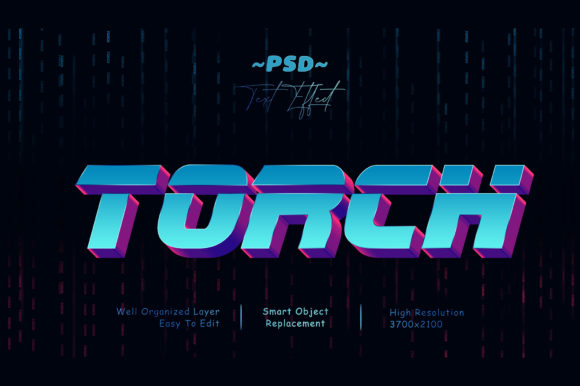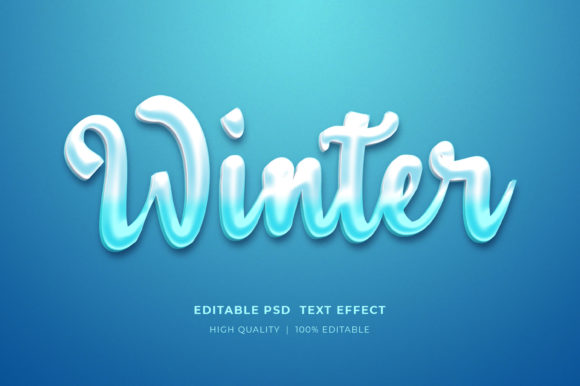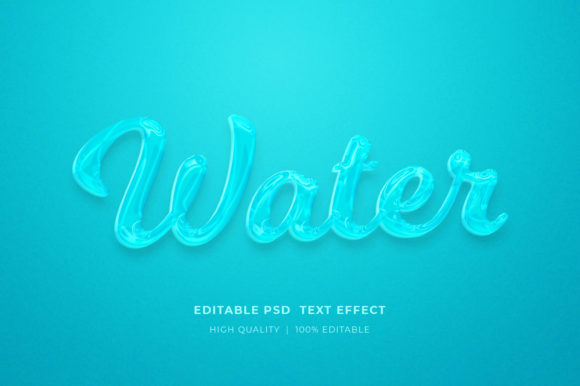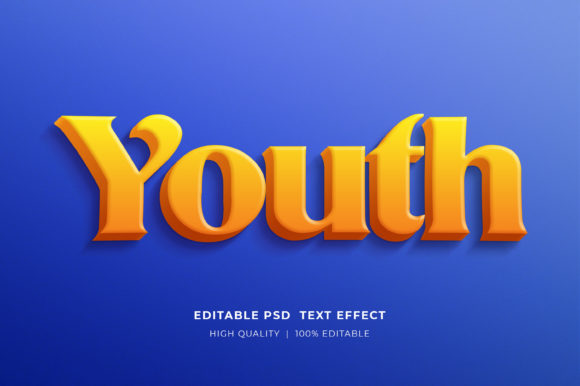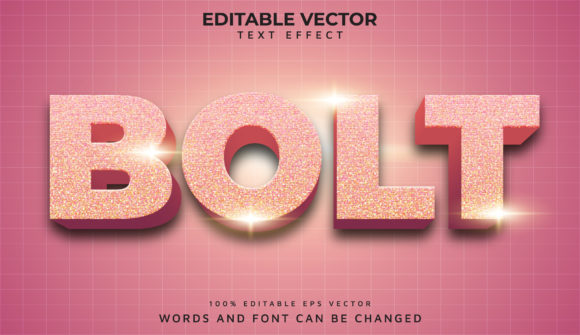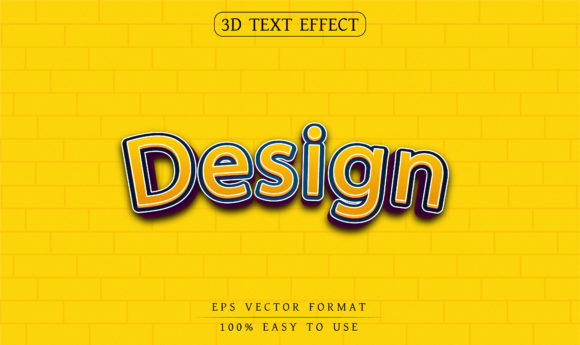
Design - Editable Text Effect
In the landscape of digital content creation, the distinction between a static image and a dynamic, adaptable asset is often defined by the flexibility of its text elements. Design - Editable Text Effect represents a significant shift in how creators approach typography within visual projects. Rather than treating text as a locked, rasterized component, this resource allows for real-time modification, ensuring that the final output aligns perfectly with evolving project requirements. For professionals ranging from marketers to educators, the ability to edit fonts and words without starting from scratch is not merely a convenience; it is a critical workflow efficiency tool.
The core value of this design package lies in its structure. It provides 100 editable fonts and words, presented in high-quality 3D styles. This volume of assets covers a broad spectrum of aesthetic needs, from bold headlines to subtle body copy enhancements. However, the true power is unlocked through the file formats included: .eps, .png, and .jpg. Each format serves a specific role in the production pipeline, allowing users to integrate these effects seamlessly into various software environments and output requirements.
Understanding the File Architecture and Compatibility
To utilize Design - Editable Text Effect effectively, one must understand the technical specifications of the included files. The package is distributed as a .zip archive, which contains support files designed for maximum interoperability. Understanding the hierarchy of these formats helps in planning the workflow before any creative work begins.
- .EPS Files: These are vector-based files. In a professional design workflow, EPS files are indispensable. They allow for infinite scaling without loss of quality, making them ideal for print materials such as brochures, business cards, and large-format banners. Because they are vector-based, you can manipulate individual points and paths if your software supports it, though the primary benefit here is the preservation of crisp edges at any size.
- .PNG Files: Portable Network Graphics offer transparency support. This is crucial when placing text effects over complex backgrounds or other images. A PNG ensures that the 3D text effect blends naturally into the composition without an unwanted white box surrounding it. These are perfect for web graphics, social media posts, and presentations where layering is essential.
- .JPG Files: Joint Photographic Experts Group files are compressed raster images. While they do not support transparency, they are universally compatible and lightweight. JPGs are suitable for quick previews, email newsletters, or situations where file size is a constraint. They provide a high-quality visual representation (at 300 dpi) for immediate use.
By having access to all three formats, designers avoid the common bottleneck of converting files mid-project. This tripartite structure supports a fluid transition from concept to final delivery, whether the end goal is a high-resolution print run or a low-bandwidth web display.
Workflow Integration for Different Professional Roles
The versatility of Design - Editable Text Effect means it can be integrated into workflows across various disciplines. The key to leveraging these assets is recognizing where they fit in the broader process of content creation.
Marketing and Brand Management
For marketers, consistency is paramount. Campaigns often require rapid iteration based on performance data or seasonal changes. If a marketing team needs to update a headline from "Summer Sale" to "End of Season Clearance," doing so manually in Photoshop can be time-consuming and prone to error. With editable text effects, the change is instantaneous. Marketers can maintain brand integrity while adapting messaging quickly. Furthermore, because the fonts are fully editable, teams can adjust kerning, tracking, or even swap font families if the initial choice does not resonate with the target audience, all while retaining the original 3D styling and depth.
Educational Content and Publishing
Educators and publishers frequently deal with updating materials. Textbooks, slide decks, and online courses require accurate and engaging typography. The 3D word styles add visual interest to educational slides, helping to highlight key concepts. Since the text is editable, instructors can tailor examples to specific student demographics or current events. The high resolution (300 dpi) ensures that when these materials are printed as handouts or worksheets, the text remains sharp and legible, supporting readability and comprehension.
Small Business and Freelance Operations
Freelancers and small business owners often wear multiple hats. They may need to create logos, social media graphics, and promotional flyers simultaneously. Time is a limited resource. Using pre-designed, editable text effects reduces the time spent on basic typographic layout. Instead of designing a letterform from scratch, a freelancer can import a 3D text block, change the wording to match a client's brief, and export the final assets. This acceleration of the creative process allows more time for strategy and client communication.
Practical Implementation Tips
Integrating Design - Editable Text Effect into your routine requires a systematic approach to ensure quality and efficiency. Here are practical observations for smooth implementation.
- Preparation and Organization: Before opening your design software, organize the downloaded .zip file. Extract the contents into a dedicated folder structure, perhaps separating EPS, PNG, and JPG files. This prevents clutter and speeds up file retrieval during busy project phases.
- Software Compatibility Check: Ensure your design software (such as Adobe Illustrator, Photoshop, CorelDRAW, or Affinity Designer) is updated to handle the included file types. Vector editors like Illustrator are best for manipulating EPS files, while raster editors like Photoshop are ideal for working with PNG layers. Knowing which tool to use for which file type minimizes technical friction.
- Quality Control: Although the files are provided at 300 dpi, always preview your final output at 100% zoom before exporting. Check for any aliasing issues, especially when scaling down EPS files for digital use. For PNGs, verify that the transparent background renders correctly against different background colors in your mockup.
- Consistency in Styling: When editing the text, be mindful of the original design intent. The 3D effect relies on specific lighting and shadow angles. Changing the text length significantly might alter the perspective slightly depending on how the effect was constructed. Test short and long phrases to ensure the visual balance remains intact.
Long-Term Value and Scalability
One of the most overlooked aspects of digital assets is their long-term utility. Design - Editable Text Effect is not a one-time use item. As trends evolve and business needs change, having a library of 100 editable fonts and words provides a sustainable resource. You are not just buying a single graphic; you are acquiring a toolkit that grows with your projects.
Furthermore, the "No Skill Requirement" aspect democratizes high-quality design. Users who may not have advanced training in typography can still produce professional-looking results. This lowers the barrier to entry for hobbyists and startups, allowing them to compete visually with larger organizations. The ease of editing means that even non-designers can take ownership of their visual communications, fostering a culture of self-sufficiency within teams.
Conclusion on Workflow Efficiency
In summary, Design - Editable Text Effect is more than a collection of pretty letters; it is a strategic asset for anyone involved in visual communication. By providing editable, high-resolution, and multi-format text effects, it addresses the common pain points of rigidity, low quality, and time consumption in design workflows. Whether you are preparing a last-minute presentation, launching a new product campaign, or updating educational materials, this resource offers the flexibility and quality needed to execute tasks efficiently. Integrating these assets into your process allows for greater agility, ensuring that your visual output remains impactful, professional, and adaptable to whatever challenges arise.