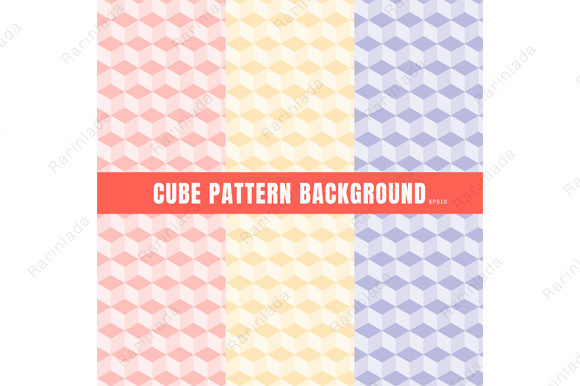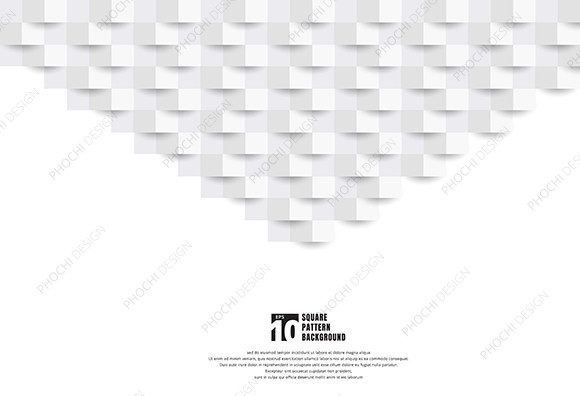
3D White Paper Art Style Squares Pattern: Elevating Design with Minimalist Depth
In a visual landscape saturated with hyper-realistic photography and chaotic, colorful graphics, there is a distinct advantage to stepping back. The 3D White Paper Art Style Squares Pattern offers a sophisticated alternative that relies on subtlety, geometry, and shadow rather than loud colors or complex imagery. This aesthetic isn't just about white squares; it is about the interplay of light, negative space, and tactile texture. It creates a sense of clean, modern elegance that works seamlessly across various media, from digital interfaces to high-end print materials.
At its core, this design element mimics the look of layered paper cutouts rendered in three dimensions. By using strict geometric forms—specifically squares—and applying realistic shadows, designers can create depth without clutter. The result is a background or pattern that feels tangible and handcrafted, yet maintains the precision of vector art. For professionals looking to add a touch of refined simplicity to their projects, understanding how to leverage this style can significantly enhance the perceived quality of their work.
The Power of Negative Space and Shadow
One of the primary reasons designers gravitate toward the 3D white paper aesthetic is its ability to manage information hierarchy through negative space. When you use a background featuring a geometric squares pattern with shadow, you are essentially creating a structured canvas that guides the eye. The shadows provide the necessary contrast to separate elements without introducing new colors that might distract from the main message.
This approach is particularly effective for brands that want to communicate clarity, precision, and trust. Think about industries like finance, healthcare, or legal services, where complexity can be intimidating. A clean, white-paper-inspired layout suggests organization and transparency. The slight elevation of the squares implies layers of information that are accessible but neatly stacked, much like well-organized files or documents. It’s a visual metaphor for order in a chaotic world.
Practical Applications Across Industries
The versatility of this vector illustration allows it to serve as a foundational element in diverse creative fields. Because the file is fully editable, including text, shapes, and colors, it adapts easily to specific brand guidelines while maintaining its distinctive character.
Cover Design and Editorial Layouts
For authors and publishers, the 3D White Paper Art Style Squares Pattern serves as an excellent base for book covers, especially in genres like self-help, business, or contemporary fiction. The abstract nature of the pattern avoids dictating a specific narrative, allowing the title typography to take center stage. On a magazine cover, these geometric shadows can frame images or pull quotes, adding a premium feel that distinguishes the publication from mass-market competitors. The copy space inherent in the design ensures that headlines remain legible and impactful.
Digital Presentations and Web Design
In the realm of digital communication, attention spans are short. A website background filled with intricate patterns can slow down load times and overwhelm users. In contrast, a lightweight vector-based square pattern provides visual interest without taxing the browser or the user’s cognitive load. For presentation decks, this style helps maintain a consistent, professional theme. Slides featuring data charts or bullet points pop against the subtle 3D texture, making complex information easier to digest. The high-resolution nature of the asset (300dpi) ensures that whether viewed on a mobile screen or projected on a large monitor, the edges remain crisp and the shadows smooth.
Marketing Collateral and Branding
When designing brochures, flyers, or CD packaging, the tactile illusion of paper art adds a layer of sophistication. It bridges the gap between digital minimalism and physical craft. For example, a tech startup launching a new app might use this pattern to suggest innovation and clean code, while a luxury skincare brand might use it to evoke purity and natural ingredients. The ability to edit the color means you can tint the "paper" slightly warm or cool to match your brand palette, keeping the structural integrity of the 3D effect intact.
Why Vector Quality Matters
A critical consideration when selecting assets for professional projects is scalability. Raster images often pixelate when enlarged, ruining the illusion of depth. However, because this Abstract 3D white paper art style texture is composed of 100% vector graphics, it remains flawless at any size. Whether you need a tiny icon for a website footer or a massive backdrop for a trade show booth, the lines stay sharp, and the shadows retain their gradient smoothness.
The inclusion of both EPS and JPG formats in the download package offers flexibility. The EPS file allows for deep customization within Adobe Illustrator or similar software, enabling designers to rearrange the squares, adjust shadow intensity, or merge the pattern with other elements. The JPG file provides an immediate, high-resolution preview that is ready for quick use in programs that don’t support native vector editing, such as certain online design tools or basic photo editors.
Considerations for Implementation
While the benefits are clear, integrating this style requires thoughtful execution. The most common pitfall is overusing the pattern. Because the squares create a repetitive rhythm, applying them to every element of a design can become monotonous. Instead, treat the pattern as a background layer. Use it behind key content areas to create zones of focus. Ensure that the text color contrasts sufficiently with the white paper tones; pure black or dark charcoal usually works best, while light gray text may get lost against the bright background.
Another aspect to consider is the emotional tone. White paper art conveys calmness and neutrality. If your project requires energy, urgency, or excitement, this style might feel too passive unless paired with bold, vibrant accent colors or dynamic typography. It acts as a quiet stage, waiting for the actors—the content—to shine. Therefore, the strength of your copy and imagery becomes even more important when using this minimalist backdrop.
Maximizing Creative Potential
To truly harness the power of the 3D White Paper Art Style Squares Pattern, experiment with layering. Try placing semi-transparent shapes over the squares to create a frosted glass effect, or combine the pattern with handwritten fonts to introduce a human touch to the geometric rigidity. The "copy space" mentioned in the asset description is not just empty room; it is an invitation to breathe. Let the design rest. Allow the shadows to do the heavy lifting of defining structure, so your message can stand out clearly.
Ultimately, this asset is more than just a decorative element. It is a tool for establishing credibility and visual harmony. In a market where differentiation is key, choosing a design direction that emphasizes clarity and craftsmanship can set your work apart. By leveraging the editable, high-resolution nature of this vector illustration, you ensure that your final product looks polished, professional, and intentionally designed, regardless of the medium you choose to present it on.