Yoga Mandala Vector 3D Layered 1: A Practical Guide to Digital Design Assets
In the world of digital design, visual assets are more than just decorative elements; they are foundational components that define the quality and professionalism of a project. One such asset that has gained traction among creators is Yoga Mandala Vector 3D Layered 1. This specific file offers a unique blend of spiritual symbolism and modern graphical depth, making it highly versatile for various applications. However, purchasing and utilizing digital vector files requires a clear understanding of what you are actually receiving. Misunderstandings about file formats, layering capabilities, and usage rights can lead to frustration, wasted time, and subpar final products.
This guide aims to clarify exactly what this digital download entails, helping you make an informed decision before you buy or use the asset. Whether you are a seasoned graphic designer, a small business owner creating marketing materials, or a hobbyist looking to add a touch of elegance to your crafts, knowing the ins and outs of layered vector files is crucial.
Understanding the Asset: What Is Yoga Mandala Vector 3D Layered 1?
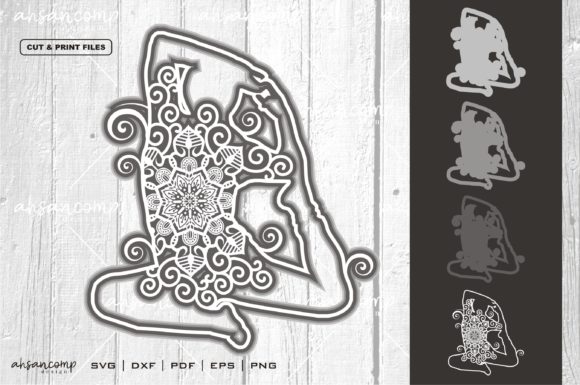
The term "Yoga Mandala" refers to a circular, intricate design often associated with mindfulness, balance, and holistic wellness. The "3D Layered" aspect indicates that this is not a flat image but a complex composition where individual elements are separated into distinct layers. This separation allows designers to manipulate colors, positions, and effects independently without altering the entire structure.
For professionals in branding, apparel design, or interior decor, this level of control is invaluable. It means you can customize the mandala to fit a specific brand palette, adjust its scale without losing resolution, or isolate specific geometric patterns for different projects. The inclusion of a "3D" effect suggests that the layers may include shadows, highlights, or depth cues that give the flat vector a sense of volume when rendered correctly in software like Adobe Illustrator or CorelDRAW.
Clarifying the Digital Nature of the Product
A common point of confusion for new buyers is the physical nature of digital downloads. It is imperative to understand that this is a DIGITAL DOWNLOAD of files. No physical items will be sent to you. There is no shipping, no tracking number, and no tangible product arriving at your doorstep. Any backgrounds, logos, mockups, photos, framed images, or cut-out visuals shown in the listing are for illustration purposes only. They serve to demonstrate how the vector file might look in a real-world application, such as on a t-shirt, a wall decal, or a website header.
Failing to grasp this distinction can lead to disappointment if you expect a printed poster or a physical craft kit. Instead, you are acquiring the raw data—the mathematical instructions that tell your computer how to draw the lines and shapes. This provides immense flexibility but requires the right tools to access.
File Formats Included and Their Specific Uses
To maximize the utility of your purchase, it is helpful to know why multiple file formats are included. The ZIP file format is used to bundle these diverse extensions together for easy downloading. Once downloaded, you must extract the contents using standard unzipping software before you can use them. Here is a breakdown of the typical files included and their best-use scenarios:
- EPS File: This is a standard vector format compatible with many professional design programs. It is ideal for large-scale printing where scalability is key, such as banners or signage. EPS files preserve the editable nature of the artwork.
- PNG File: Portable Network Graphics are raster images (pixel-based) that support transparency. While convenient for quick web use or simple editing in non-vector software, PNGs lose quality when scaled up significantly. Use this for web graphics or previews.
- PDF File: Portable Document Format files can contain both vector and raster data. They are excellent for sharing designs with clients who may not have design software, as the PDF preserves the layout and vector integrity on most devices.
- SVG File: Scalable Vector Graphics are XML-based vectors optimized for the web. If you are building a responsive website or need an icon that scales perfectly on any screen size, SVG is the go-to format.
- DXF File: Drawing Exchange Format is widely used in CNC routing, laser cutting, and vinyl cutting machines. If your goal is to create physical cutouts from fabric, wood, or vinyl, the DXF file is essential because it translates directly into machine coordinates.
Common Mistakes and How to Avoid Them
Even with high-quality assets, errors in workflow can diminish the final result. One frequent mistake is attempting to edit a rasterized version of a vector file. If you open the PNG instead of the EPS or SVG in a vector editor, you will find that you cannot separate the layers or change individual colors. Always ensure you are working with the native vector files (EPS, SVG, DXF) to retain full editability.
Another oversight involves ignoring the layer structure. In a "layered" file, complexity is managed through stacking orders. If you flatten the image prematurely, you lose the ability to tweak specific elements. For instance, if you want to change the color of just the outer ring of the mandala while keeping the inner core gold, you must keep the layers distinct. Take time to explore the layers panel in your software before committing to changes.
Furthermore, users often overlook the importance of checking the bounding box and anchor points. When importing vectors, ensure that the design is centered and aligned correctly within your canvas. Misaligned vectors can cause issues during printing or cutting, leading to wasted material and time. Always preview your design at 100% zoom to check for stray pixels or unintended gaps between paths.
Evaluating Your Needs Before Downloading
Before adding Yoga Mandala Vector 3D Layered 1 to your cart, consider your end goal. Are you designing for print, web, or physical crafting? If you are doing vinyl cutting, prioritize the DXF file and verify that the line weights are appropriate for your machine’s precision. If you are creating a logo, the EPS or AI (if available) file is critical for future scalability.
Additionally, review the licensing terms. Most digital downloads come with specific usage rights, often restricting commercial redistribution of the raw file itself. You can usually sell products made *with* the design, but you cannot resell the vector file as-is. Understanding these boundaries protects you from legal complications and respects the creator’s intellectual property.
Final Thoughts on Usability
The value of a digital asset lies not just in its aesthetic appeal but in its functional versatility. Yoga Mandala Vector 3D Layered 1 offers a robust foundation for creative projects, provided you approach it with the right technical knowledge. By selecting the correct file format, respecting the layer structure, and understanding the digital-only nature of the product, you ensure a smooth workflow and a professional outcome.
If you encounter any difficulties during extraction or editing, do not hesitate to reach out. Designers appreciate feedback and questions, as they help improve the usability of their assets. Thank you for taking the time to view my design illustrations. If you have any questions, please contact me, and I will be happy to help. With the right preparation, this mandala can become a powerful element in your design toolkit, enhancing everything from personal journals to corporate branding materials.