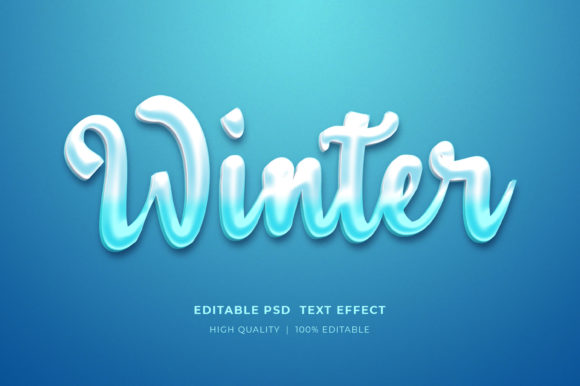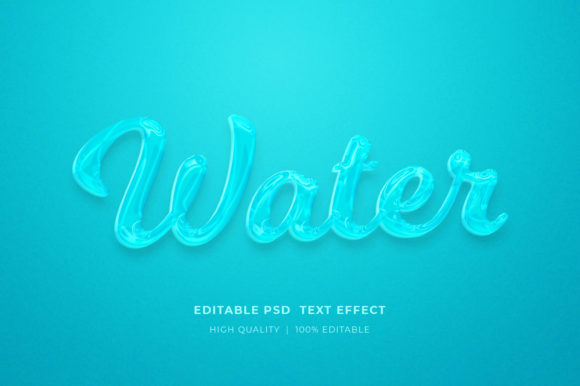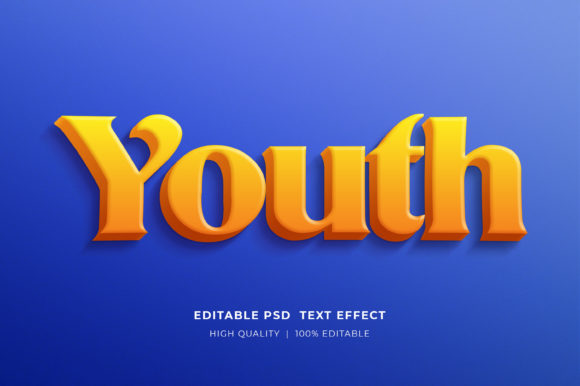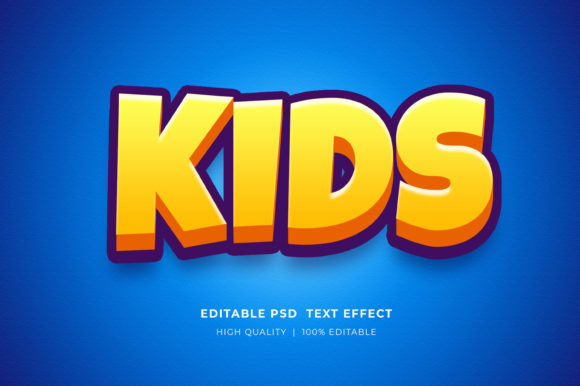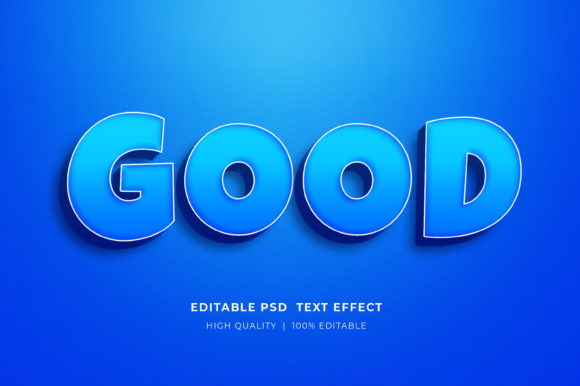
Good 3D Editable Style Text Effect
In the landscape of digital design, text is rarely just a vessel for information; it is often the primary visual anchor. Whether you are crafting a high-impact social media banner, designing a print-ready book cover, or developing brand assets for a startup, the typography must carry weight and dimension. This is where the Good 3D Editable Style Text Effect becomes an indispensable asset in your creative workflow. It is not merely a decorative filter but a structured, intelligent layer within Adobe Photoshop that allows for rapid iteration and professional-grade output without requiring manual modeling of every letter.
For professionals ranging from freelance graphic designers to small business owners managing their own marketing materials, time is the most critical resource. The ability to swap out text, adjust colors, and maintain complex lighting effects instantly transforms a static template into a dynamic tool. This article explores how to integrate this specific PSD effect into your daily operations, ensuring consistency, efficiency, and high-quality results across various platforms.
Understanding the Asset Structure
Before diving into execution, it is crucial to understand what makes this effect different from standard text layers. The Good 3D Editable Style Text Effect relies on the architecture of Smart Objects. In Adobe Photoshop, a Smart Object acts as a container that preserves image data from the source file with all its original characteristics. This means that when you apply 3D extrusions, bevels, shadows, and gradients, these effects are linked to the text content rather than being flattened into pixels.
This structural integrity is vital for long-term projects. If a client requests a change in wording after approval, or if you need to adapt a flyer for a different color scheme, you do not need to rebuild the 3D geometry from scratch. You simply interact with the Smart Object. This approach significantly reduces the risk of errors and ensures that the visual quality remains consistent regardless of how many times the text is modified.
Integration into Creative Workflows
The versatility of this effect allows it to fit seamlessly into multiple stages of a project lifecycle. Here is how it interacts with common design tasks:
Brand Identity and Logo Presentations
When presenting logo concepts to clients, showing the logo in context is more persuasive than displaying it in isolation. Using this 3D text effect, you can place your logo mockups onto physical surfaces or abstract backgrounds instantly. Because the text is editable, you can demonstrate how the branding looks with different taglines or variations of the company name. This interactive presentation style helps stakeholders visualize the final product, streamlining the approval process.
Print-on-Demand (POD) and Merchandise Design
For entrepreneurs in the POD space, speed and volume are key. Platforms like Amazon KDP, Redbubble, or Etsy require unique designs to stand out. The Good 3D Editable Style Text Effect allows you to create T-shirt graphics, mugs, or posters by simply changing the text string. You can generate multiple variations of a single design concept—perhaps changing "Summer Vibes" to "Winter Warmth"—by duplicating the Smart Object and typing new text. This capability turns one PSD file into dozens of sellable products with minimal effort.
Social Media and Web Banners
Digital marketing requires A/B testing. You might want to test two different headlines on a Facebook timeline ad or a website banner. With this editable effect, you can quickly toggle between headline options while maintaining the exact same 3D styling. This ensures that any performance difference is due to the copywriting, not the visual presentation. Furthermore, because the file is RGB color optimized, it is ready for immediate export to digital platforms without color profile adjustments.
Practical Implementation: How to Use the Effect
Executing changes in this template is straightforward, but following a disciplined process ensures the best outcomes. The file comes in a compressed Zipped format, which is standard for delivering large PSD files to save bandwidth and protect file integrity.
- Extraction: Once downloaded, locate the zip folder. Right-click on the file and select “Extract Here” or “Extract All”. This will unpack the PSD file and any associated preview images into a dedicated folder. Ensure you have sufficient disk space before extraction.
- Opening in Photoshop: Launch Adobe Photoshop and open the extracted .psd file. You will see a well-organized layer panel. Look for the layer labeled with the text element, typically grouped under a Smart Object icon.
- Editing the Text: Double-click the Smart Object thumbnail. This action opens a new tab containing the isolated text layer. Select the Type Tool (T) from the toolbar. Click on the existing text to highlight it and type your desired message. Ensure your new text fits within the designated bounding box to avoid clipping the 3D extrusion.
- Saving and Updating: After editing, press
Ctrl+S(Windows) orCmd+S(Mac) to save the Smart Object document. Close the tab. Return to the main document window, and you will see the 3D effect automatically update to reflect your new text. The lighting, depth, and texture remain intact. - Customizing Colors: If you need to change the color palette, you can usually access adjustment layers or layer styles linked to the text group. Since the file is organized, these controls are easy to locate. Adjusting hues here allows you to repurpose the same 3D model for different brand guidelines.
Optimizing for Quality and Organization
A major advantage of this specific asset is its organizational structure. The layers are named logically and grouped effectively. When working on complex projects involving multiple elements, such as a poster with background textures, icons, and multiple text blocks, a chaotic layer panel can lead to mistakes. This effect’s clean hierarchy prevents accidental deletions and makes it easier to isolate components for further editing.
Additionally, the high-resolution nature of the file supports both screen and print applications. For web use, you can export at lower resolutions for faster loading times. For print templates, such as flyers or business cards, you can export at 300 DPI. The 3D effect maintains its sharpness because the vector-based text drives the geometry, allowing for scalable rendering up to the limits of the raster resolution.
Troubleshooting and Best Practices
While the process is designed to be user-friendly, there are a few considerations to keep in mind for optimal results.
- Font Compatibility: While the effect works with any font, extremely thin or overly complex fonts may alter the appearance of the 3D bevel. Test your chosen font within the Smart Object to ensure the extrusion remains legible and aesthetically pleasing.
- Text Length: Be mindful of character count. Very long sentences may wrap in ways that disrupt the intended composition. If you are using this for a billboard or large-format banner, shorter, punchier phrases often yield better visual impact.
- Color Contrast: The 3D shading relies on light sources defined in the layer styles. If you choose colors with low contrast between the front face and the extruded sides, the 3D effect may appear flat. Experiment with complementary colors to enhance depth perception.
Conclusion
The Good 3D Editable Style Text Effect represents a smart investment of time and resources for any creator who values efficiency and professionalism. By leveraging Smart Objects and a well-organized PSD structure, you can produce high-quality 3D typography for logos, posters, web banners, and merchandise with minimal friction. It bridges the gap between conceptual design and practical execution, allowing you to focus on the message rather than the mechanics of rendering. Whether you are a seasoned designer looking to speed up your workflow or a beginner aiming for professional results, this tool provides the flexibility and reliability needed to succeed in today’s competitive visual marketplace.
If you encounter any issues during the extraction or editing process, feel free to reach out through the profile page for support. Your feedback and ratings help drive the creation of more effective design assets, so please consider leaving a review if this tool enhances your workflow. Thank you for integrating this effect into your creative process.