3D Shadowbox Ice Cream on the Beach: A Practical Guide to Implementation and Workflow Integration
The intersection of digital design assets and physical fabrication has created a robust market for hobbyists and professionals alike. Among the most versatile resources in this space is the 3D Shadowbox Ice Cream on the Beach design. While it may initially appear as a simple decorative item, its underlying structure offers significant utility for those looking to integrate layered visual arts into their home office, retail display, or creative studio. This guide breaks down the practical applications, technical specifications, and implementation strategies for utilizing this specific SVG cut file effectively.
Understanding the Asset and Its Technical Specifications
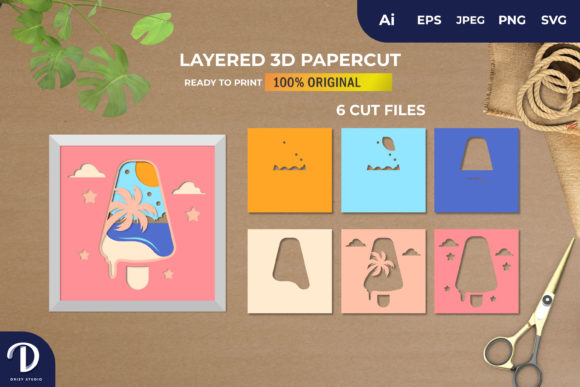
Before engaging in the fabrication process, it is essential to understand the raw materials provided in the downloaded ZIP file. The 3D Shadowbox Ice Cream on the Beach asset is not a single-format file but a comprehensive package designed to accommodate various software environments and hardware capabilities. The inclusion of multiple formats ensures compatibility across different stages of the production workflow, from initial vector editing to final high-resolution rendering.
The package includes the following critical components:
- Adobe Illustrator (AI): Native vector files allow for precise scaling and editing within industry-standard design software. This is crucial for designers who need to adjust layer depths or modify text elements before cutting.
- EPS 6: An older but widely supported vector format that ensures compatibility with legacy plotting software and older versions of design suites.
- JPEG (3000x2000): High-resolution raster images suitable for previewing the final aesthetic or using as reference material for painting and coloring layers.
- PNG (2804x2804): A transparent background image that allows for easy compositing in photo editing tools like Photoshop or GIMP.
- SVG File: The core deliverable for computer-controlled cutting machines. This vector format contains the path data required by Cricut, Silhouette, and other laser cutters to execute precise cuts.
Understanding these formats is the first step in efficient project management. If you are working in a team, assigning the AI file to the designer and the SVG file to the fabricator prevents version control issues and ensures consistency between the digital mockup and the physical product.
Hardware Compatibility and Preparation
The success of any shadowbox project relies heavily on the precision of the cutting tool. The primary recommendation for the 3D Shadowbox Ice Cream on the Beach design is the use of a Cricut machine or similar electronic cutter. These devices offer the repeatability and fine-detail accuracy necessary for multi-layered designs where alignment is paramount.
Software Configuration
When importing the SVG file into cutting software such as Cricut Design Space or Silhouette Studio, users must pay attention to line weights and layer separation. The design likely consists of distinct layers representing the ice cream scoops, the cone, the beach background, and foreground elements. In your software:
- Separate Layers: Ensure each visual element is on its own layer. This allows you to assign different cut settings or colors to each part.
- Scale Verification: Verify the dimensions against your intended display area. The source vectors are based on a 750x500 coordinate system, which can be scaled proportionally without loss of quality due to their vector nature.
- Bleed and Registration: If using colored cardstock, consider adding a slight bleed or registration marks if your machine supports them, though shadowboxes often rely on manual alignment rather than mechanical registration.
Alternative Fabrication Methods
For users without access to electronic cutting machines, the design remains accessible via manual methods. An art knife and a self-healing cutting mat are sufficient tools. However, this approach requires a higher degree of skill and patience. When cutting manually, it is advisable to print the SVG file at the desired size first, using the JPEG or PNG as a visual guide, and then trace the outlines onto your chosen material. This hybrid approach bridges the gap between digital design and analog execution.
Material Selection and Structural Integrity
A shadowbox’s depth is what distinguishes it from flat wall art. The 3D Shadowbox Ice Cream on the Beach design relies on spacing between layers to create a parallax effect. Therefore, the choice of backing material is critical.
Standard foam board or corrugated plastic sheets are ideal for creating spacers. You can cut strips of these materials to act as risers between the layers. For a professional finish, ensure that the adhesive used to bond the layers is clear-drying and does not warp thin paper or cardstock. Double-sided tape is often preferred over spray adhesive for temporary adjustments during the assembly phase, allowing you to tweak the alignment of the ice cream scoops relative to the beach background.
Consider the weight distribution if the shadowbox is large. A heavy bottom layer (such as the sand or base of the cone) may require additional support brackets on the back of the frame to prevent sagging or tilting. This is particularly relevant for entrepreneurs displaying products in retail environments where durability and presentation are key.
Integration of Lighting and Electronic Components
One of the most transformative ways to utilize the 3D Shadowbox Ice Cream on the Beach design is by converting it into a light box. This adds a dynamic element to the piece, making it suitable for evening displays or as a focal point in a dimly lit workspace.
LED Strip Installation
To achieve a uniform glow, flexible LED strip lights should be installed behind the outermost layer of the shadowbox. It is important to choose LEDs with a diffuser cover to prevent individual diodes from being visible through the cutouts. Warm white LEDs complement the "ice cream" theme, while RGB strips can be mixed to create color effects that change over time.
From a workflow perspective, integrating electronics requires planning for power sources. Decide early whether the unit will be hardwired to mains electricity or battery-operated. Battery options offer portability, useful for pop-up shops or temporary installations, while hardwired solutions provide consistent brightness without the risk of battery depletion during long operating hours.
Use Cases and Application Scenarios
The versatility of this design allows it to fit into various professional and personal workflows. Below are common scenarios where this asset adds value.
Retail and Visual Merchandising
Small business owners, particularly those in the food, beverage, or lifestyle sectors, can use this shadowbox as a window display or shelf talker. The vibrant imagery of ice cream on the beach evokes positive emotional responses and can drive foot traffic. By combining the shadowbox with subtle lighting, retailers can create an inviting atmosphere that encourages customers to linger and browse.
Home Office and Productivity Spaces
For remote workers and freelancers, the aesthetic environment significantly impacts mood and productivity. A well-crafted shadowbox serves as a calming visual anchor. Unlike cluttered desk accessories, a single, high-quality piece of art reduces cognitive load. The process of building the shadowbox itself can also serve as a mindful break from screen-based work, offering a tactile counterbalance to digital tasks.
Educational and Creative Workshops
Educators and workshop leaders can use the 3D Shadowbox Ice Cream on the Beach SVG file as a teaching tool for lessons on vector graphics, layering techniques, and basic electronics. Students learn how digital files translate into physical objects, gaining skills in both software proficiency and manual craftsmanship. The modular nature of the design allows for customization, encouraging students to experiment with color palettes and material choices.
Quality Control and Long-Term Maintenance
Once assembled, the shadowbox should undergo a quality control check. Inspect all cut edges for burrs or incomplete slices, especially if using manual cutting methods. Ensure that all layers are securely attached and that no adhesive has seeped through to the front surface, which could obscure the design.
For long-term use, consider the environmental factors. Direct sunlight can fade printed cardstock over time, so position the shadowbox away from windows if possible. Dust accumulation between layers can detract from the 3D effect; therefore, sealing the back of the shadowbox with a solid backing board is recommended to keep dust out while maintaining airflow if LEDs are installed.
Conclusion on Implementation
The 3D Shadowbox Ice Cream on the Beach is more than just a craft project; it is a multifunctional asset that bridges digital design and physical art. By understanding the technical specifications, selecting appropriate materials, and considering integration points like lighting and display context, users can maximize the value of this resource. Whether used for commercial display, personal decoration, or educational purposes, the careful execution of this design results in a high-quality output that stands the test of time. The key to success lies in meticulous preparation, precise cutting, and thoughtful assembly, ensuring that the final product reflects the intended aesthetic and functional goals.